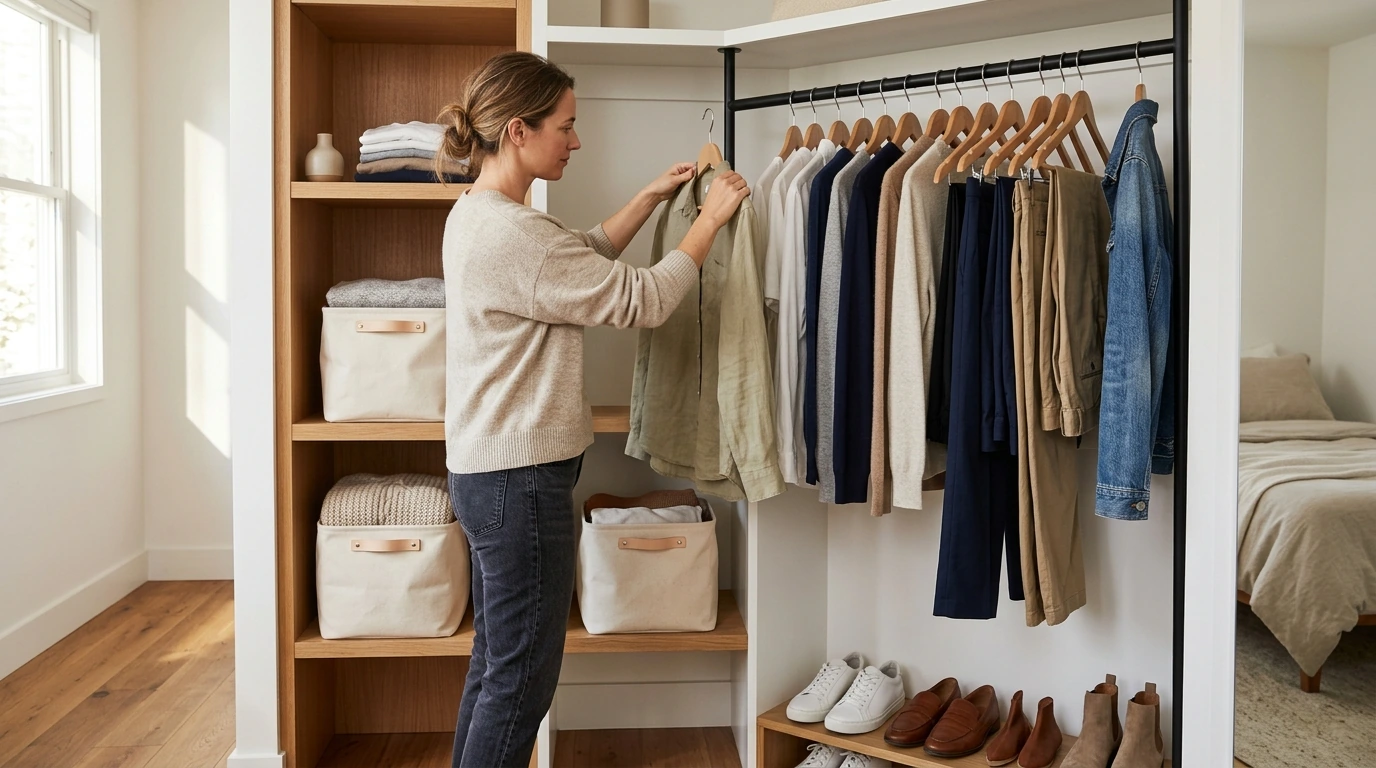
A seasonal wardrobe change can feel like a reset—until the closet becomes cluttered, “nothing to wear” returns, and decision fatigue sets in. A smoother approach is to switch with a plan: decide what stays accessible, what gets stored, and what needs attention—then build a small set of outfits that works immediately for the new weather, schedule, and style goals.
For the first pass, keep it deliberately short. Set a timer for 30–60 minutes so you move fast, make clear calls, and avoid getting pulled into try-ons too soon.
If you want a reusable routine you can run each season without rethinking everything, keep a consistent checklist handy—many people prefer a guided format like the Seasonal Style Shift | Seasonal Wardrobe Switch Plan: Step-by-Step eBook so the process stays the same even when your schedule changes.
Instead of sorting only by tops/bottoms, sort by real life. Your closet should reflect what you actually do between laundry days.
| Step | What to do | Keep Out if… | Store if… | Review if… |
|---|---|---|---|---|
| 1. Weather match | Check fabric + temperature range | Works for most days this month | Too hot/too cold for 4+ weeks | Could work with layering but not sure |
| 2. Fit + comfort | Try on the “maybe” pile | Fits now and feels good for 8+ hours | Doesn’t fit and won’t be altered soon | Needs tailoring or styling tweak |
| 3. Condition | Inspect seams, pilling, stains | Ready to wear today | Season is wrong and needs repair later | Needs repair/cleaning before wearing |
| 4. Outfit potential | Pair with 2–3 items you already keep out | Makes multiple outfits immediately | Hard to style this season | Great item but missing a companion piece |
| 5. Style alignment | Does it match the season’s vibe and needs? | Matches your current lifestyle | Doesn’t fit current priorities | Not sure—set a 2-week test |
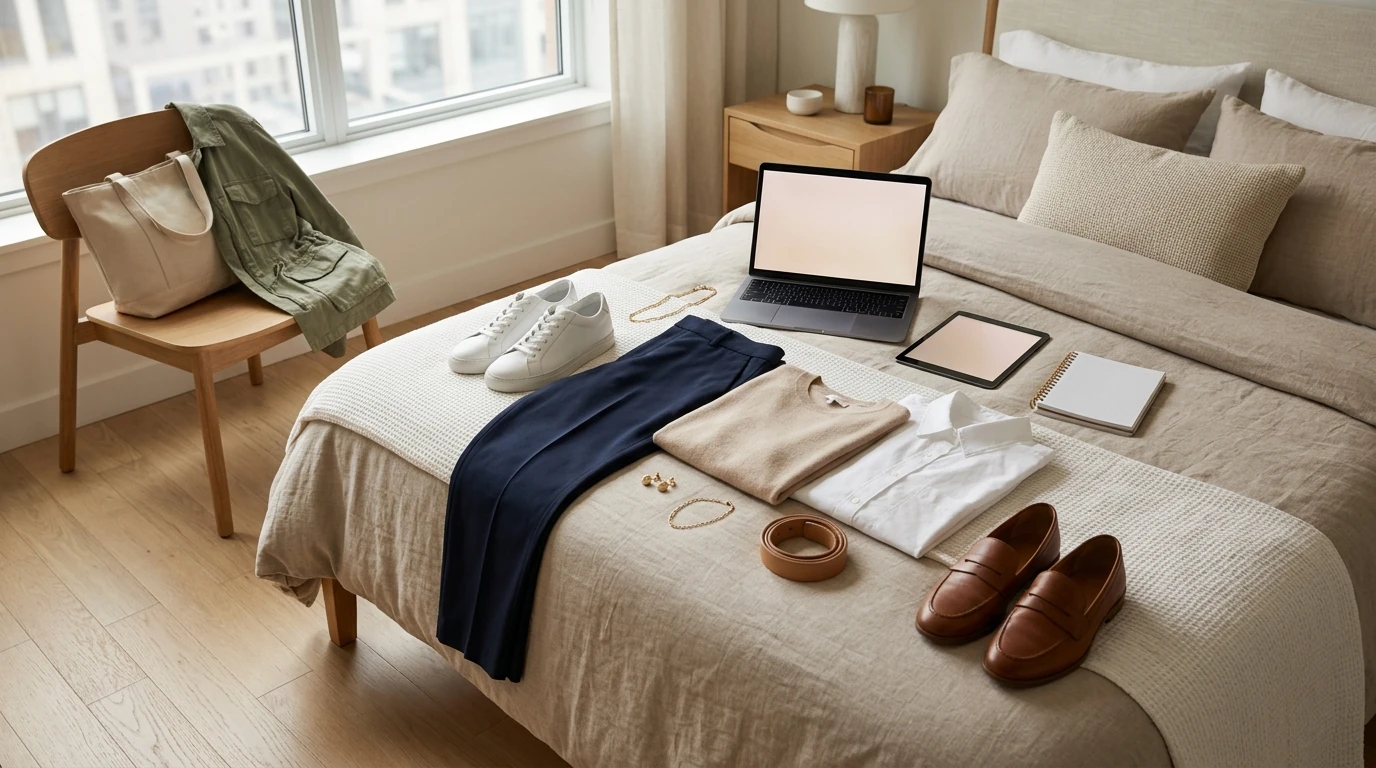
Before you commit to a full-season closet, build a “starter rail” that carries you through the first two weeks. This lets you test what you truly reach for, and it reveals gaps without guesswork.
For a flexible “in-between” pant that can dress up or down during unpredictable weeks, consider a streamlined option like Women’s Wrinkle-Resistant Pencil Pants. For softer day-to-day comfort that still looks put-together, Women’s Knitted Casual Pants can help bridge work-from-home, errands, and casual plans.
For more organization and storage best practices, consult practical guides from The Spruce and Good Housekeeping—especially if you’re working with tight closets or shared storage.
If your warm-weather lineup needs a simple, polished one-and-done option, a crisp dress can instantly create outfits—try a versatile piece like the Elegant Cotton Puff Sleeve White Sundress for days when you want to get dressed in one step and still look refined.
Plan for 1–3 hours total using a two-pass approach: a quick sort first, then try-ons and outfit planning second. Small closets can be finished faster, while larger wardrobes may take a weekend if you’re also repairing, tailoring, or deep-cleaning.
A flexible range is about 25–40 core items (excluding underwear, gym gear, and specialty pieces). Climate and lifestyle matter more than a strict number—aim for enough variety to cover your real week without overcrowding your options.
Keep versatile layers accessible: a light jacket, cardigan, long-sleeve base layer, and at least one closed-toe shoe option. Store the extremes (heavy coats or peak-summer items) and consider a small “transition bin” for unpredictable weeks.








Leave a comment