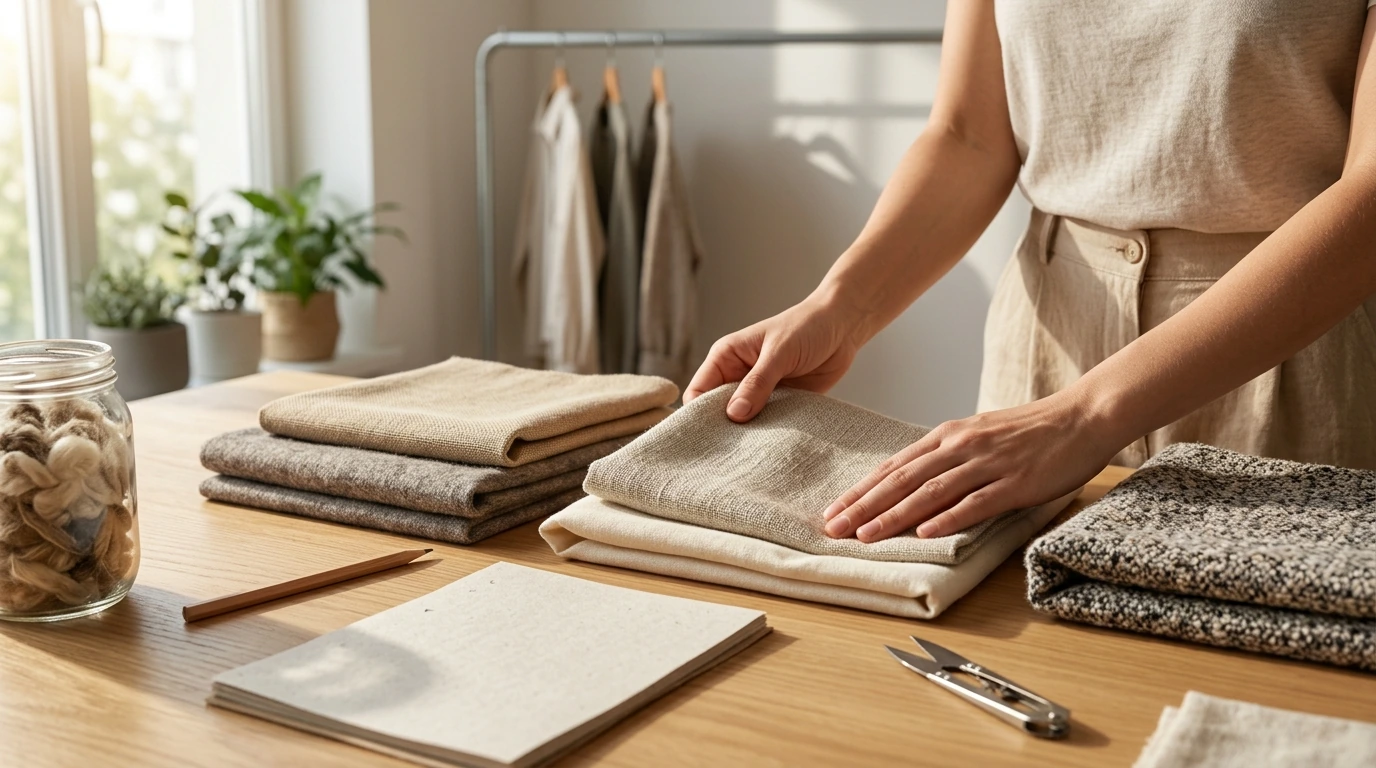
Choosing better fabrics can lower a garment’s impact on water, chemicals, microplastic pollution, and labor conditions—but “natural” doesn’t always mean low-impact, and “recycled” isn’t always a free pass. The smartest approach is to look beyond the fiber name and check how it was processed, how long it will last, and what happens when you’re done with it.
Renewable plant fibers, responsibly managed animal fibers, and recycled feedstocks usually beat virgin fossil-based synthetics. But sourcing still matters: forests, farms, and grazing land can be managed well—or poorly.
Dyeing, finishing, and chemical treatments can outweigh the raw fiber’s impact. Prioritize brands that show safer chemistry, wastewater controls, and credible third-party standards.
Long-wearing fabrics that handle cold washes and air-drying reduce lifetime footprint. Items that pill quickly, lose shape, or require frequent dry cleaning tend to be less sustainable over time.
Mono-materials (like 100% linen) are usually easier to recycle. Heavy blends—especially stretch blends—are harder to recycle and often end up as waste, even when the fiber sounds “eco.”
Certified organic cotton is often a better pick than conventional cotton, especially when paired with lower-impact dyeing and minimal finishes. It can still be water-intensive depending on region, so certification plus transparent production details is ideal. For an airy warm-weather option, see Elegant Cotton Puff Sleeve White Sundress and verify the listing’s fiber breakdown and care instructions.
Linen and hemp are generally lower-input crops with excellent breathability and strong durability. Watch for heavily processed whites (extra bleaching) and unclear retting/dyeing practices. A crisp, durable weave usually signals longer wear.
Lyocell is often produced using a closed-loop solvent system, but not all “lyocell” claims are equally detailed. Look for brand/source disclosure and traceable production rather than vague, one-word material callouts.
Recycled polyester can reduce reliance on virgin oil, but it still sheds microfibers. If choosing rPET, prioritize sturdy knits, tighter weaves, and long-wear pieces (and consider using a microfiber wash filter or bag). For a knit that may be worn often, check Women’s Knitted Casual Pants and look for a dense knit and clear care guidance.
Wool can be long-lasting and biodegradable, but animal welfare and land management vary widely. Favor credible standards with traceability rather than generic “wool” claims.
Wrinkle-free, stain-resistant, waterproof, and “anti-odor” finishes may involve persistent chemicals. If a low-maintenance finish is a must, look for credible restricted-substances certifications and avoid overbuying. As an example of a finish to question, review details carefully on Women’s Wrinkle-Resistant Pencil Pants and check for any chemical-safety labeling.
| Fabric | Best for | Watch-outs | Better buying cues |
|---|---|---|---|
| Organic cotton | Everyday basics, breathable shirts and dresses | Dyeing/finishes can be high-impact | GOTS-certified, undyed/low-impact dyes, minimal finishes |
| Linen (flax) | Warm-weather staples, long wear | Opaque whites may be heavily processed | EU/traceable source, fewer finishes, durable weave |
| Hemp | Hard-wearing casual pieces | Sometimes blended with synthetics | Higher hemp %, sturdy construction, minimal stretch |
| Lyocell (TENCEL™) | Drapey tops, soft dresses | Not all “lyocell” is equal | Brand/source disclosed, closed-loop process claims backed by certifications |
| Recycled polyester (rPET) | Outer layers, technical items used often | Microfiber shedding, blends complicate recycling | High recycled %, tight knit/weave, care guidance + wash filtration |
| Bamboo viscose / rayon | Soft loungewear (if well-made) | Chemical-intensive processing, forest sourcing risks | FSC/PEFC sourcing + OEKO-TEX or similar restricted-substances proof |
| Virgin polyester/nylon | Only when performance is essential | Fossil-based, sheds microplastics | Consider recycled alternatives; avoid flimsy fast-fashion constructions |
Certifications won’t solve everything, but they can cut through marketing and signal better chemistry or sourcing. For deeper dives, see Textile Exchange, the GOTS standard, and OEKO-TEX® testing and labels.
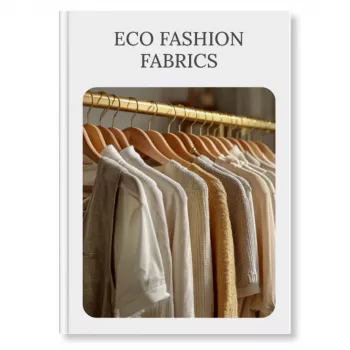
For a quick-reference version you can use while browsing product pages (or reading care labels in-store), the Eco-Friendly Fabrics Guide: What to Buy & Avoid | Eco Fashion Fabrics Digital Download | Sustainable Shopping eBook & Checklist for Conscious Consumers summarizes what to look for, what to question, and what to skip—plus a printable checklist designed for everyday decisions.
No. “Bamboo fabric” often means bamboo viscose/rayon, which typically uses chemical-intensive processing; bamboo linen (mechanically processed) is different but less common. Look for responsible forest sourcing (FSC/PEFC) and credible chemical-safety certifications when considering bamboo-based textiles.
It can be a better option than virgin polyester because it reduces demand for new fossil inputs, but it still sheds microfibers and may be difficult to recycle again. It’s most sensible in long-wear items, with high recycled content and washing practices that reduce shedding.
OEKO-TEX® standards and other restricted-substances testing are especially useful for reducing exposure to potentially irritating chemicals in dyes and finishes. They don’t guarantee overall sustainability, but they do help screen for harmful inputs in next-to-skin products.









Leave a comment